
 |
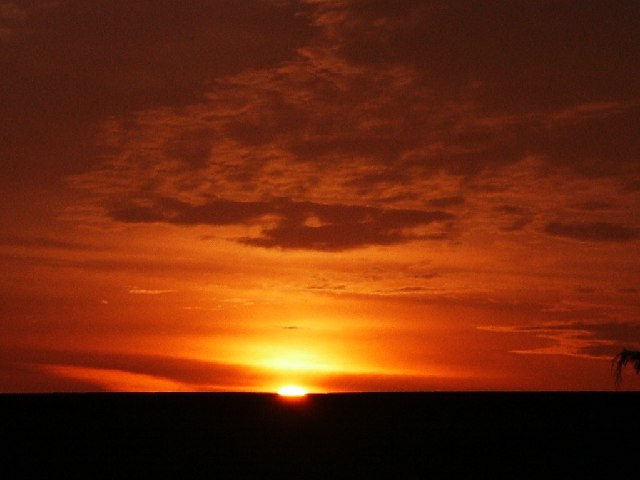
| Photo by H Heasley, a creative commons licenced picture. |
Published works have a copyright lifetime of the life of the auther plus 70 years after their death, notable examples of this include the works of Charles Dickens or Shakespeare.
Moral Rights
There are three moral rights which creators have over their work, which are as follows -
1. The right of attribution - which is where the creator of any piece of work has the right to be identified as said creator.
2. The right of integrity - work cannon be altered or changed without the consent of the creator.
3. False Attribution - noone can falsey attribute work saying it is their own.
These days it is a lot easier to copy things than time before the internet, copying books, or films took a long time. These days it can take a couple of hours or even minutes to download songs, games, movies, practically anything, off of the internet for free, despite the fact that it is illegal.
Thousands of people do this on a daily basis, for some reason downloading things for free off of the internet doesn't seem to have the same feeling of wrongness as conventional shoplifting does. However that is what is essentially is, and record labels, artists, developers and actors all lose out on millions from people going around the law to get hold of products.
On the other hand I must confess I know plenty of people who do download such items and I don't have a problem with it myself, for example some people on my course cannot afford the expensive Adobe software, so resort to downloading it off the pirate bay.
The internet is still a relatively new device, and governments still haven't found an effective way to police it. One office which attempts just this however is OM-p The Online Media protection Services. Who you should go to if you feel your copyright is being violated.
There are many people that oppose Copyright Laws. They believe that - "all culture is free, and that 200 years ago, we were free to copy pictures and sing other peoples songs, tell other peoples stories etc, but change them slightly over a time. Only the invention of the commercial media turned folk culture into property."
With the bottom line being that it stifles our creativity.
In 2001, Creative Commons was started up, it is a non-profit organisation that builds on copyright laws through legal means to allow more accessable ways to change or reproduce images with the consent of whomever created them, replacing "all rights reserved" with "some rights reserved".
 |
| Example of creative commons "some rights reserved". |

No comments:
Post a Comment